A Journey Into Architecture: Beirut, Cairo, Rabat
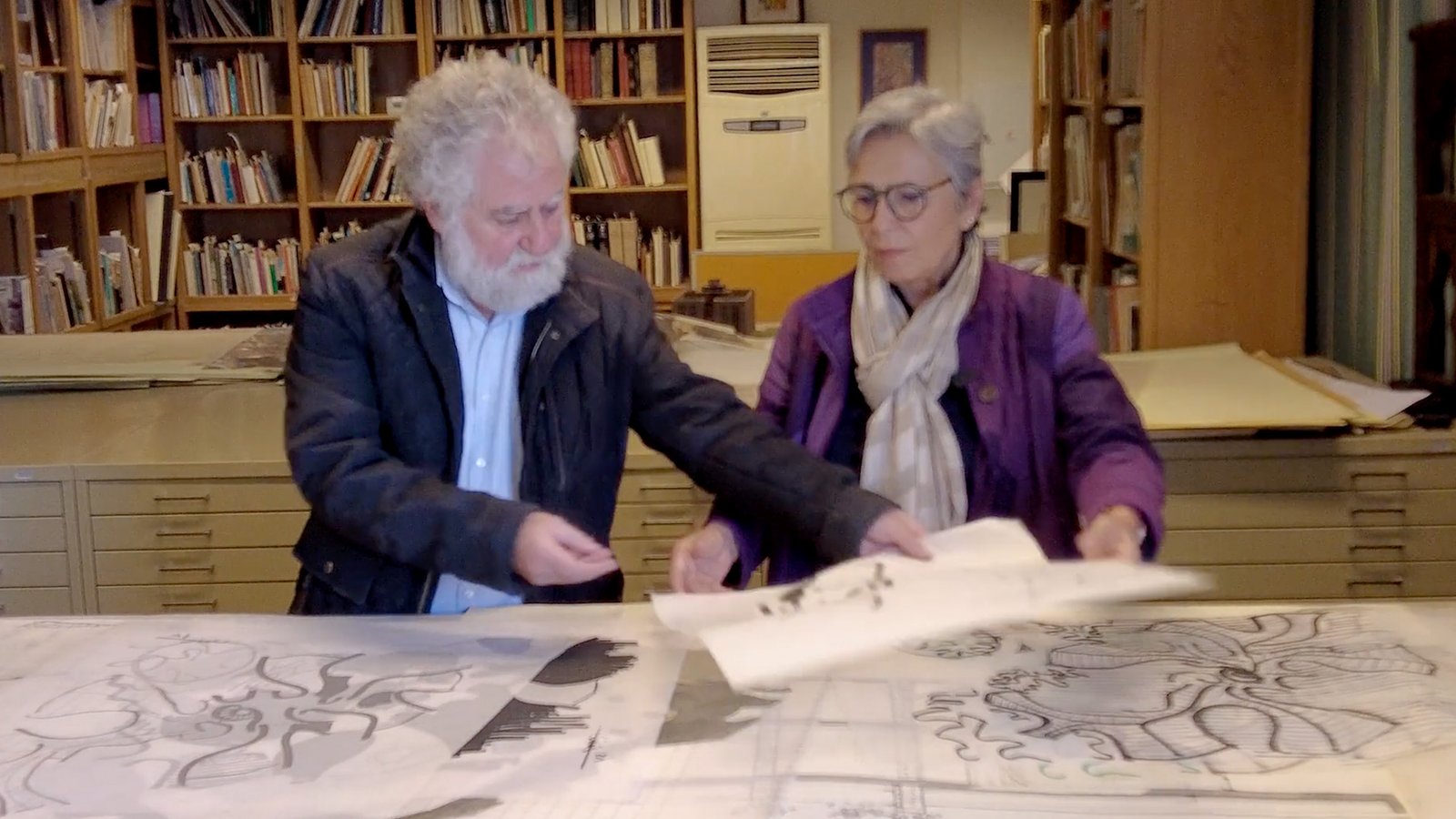
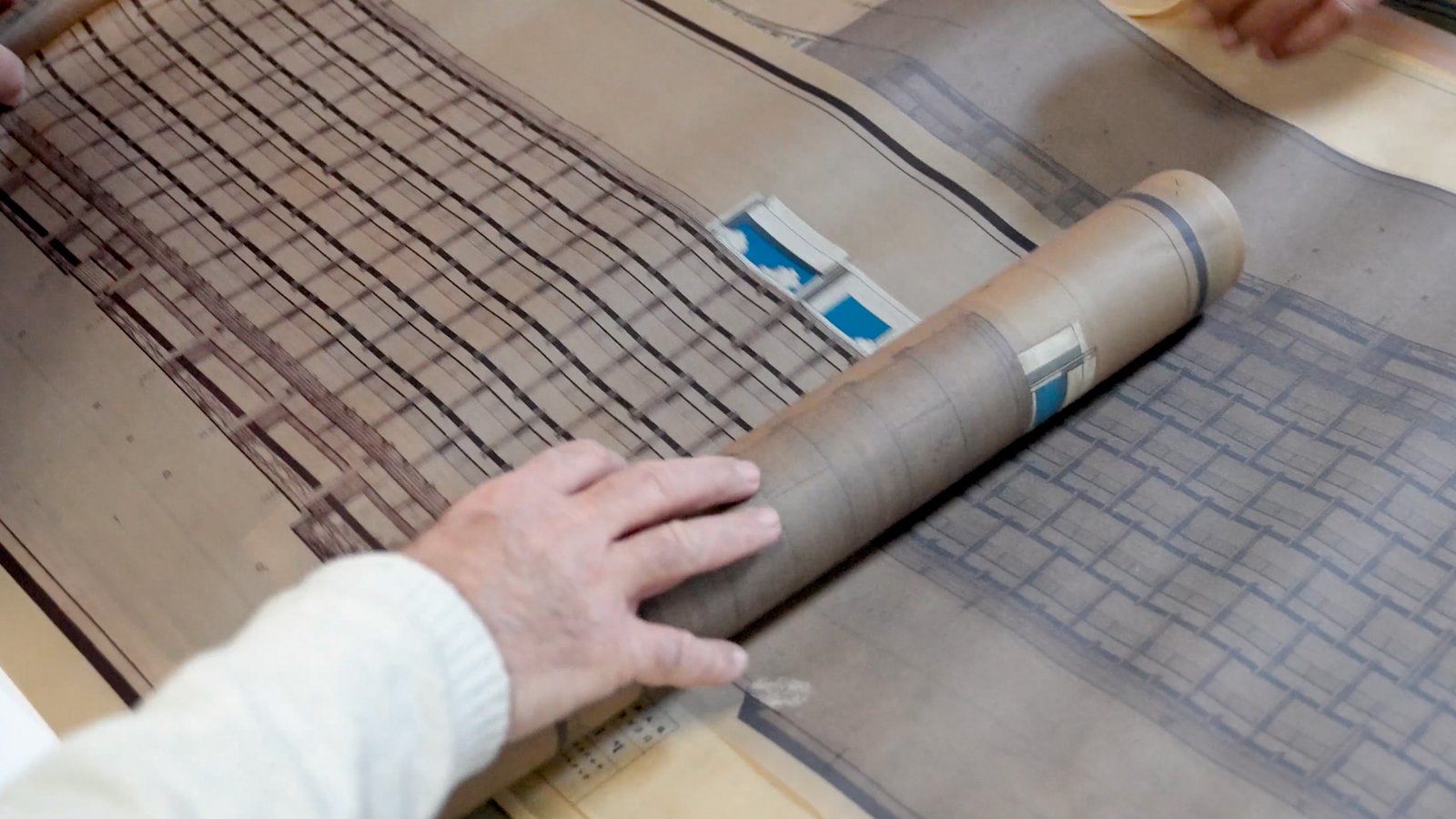
The George Arbid Exhibition showcases three institutions in the Arab world that hold and preserve architecture archives. It is conceived as a journey that highlights some items and projects in their collections and uncovers stories around them. The purposefully chosen institutions are very different in nature and scale. Their statutes and scope of work are diverse. Yet, they share the common objective of making available for experts and for the large public a number of documents ranging from drawings, to photographs, to correspondence, to a variety of items that document architectural production.
The Three Institutions
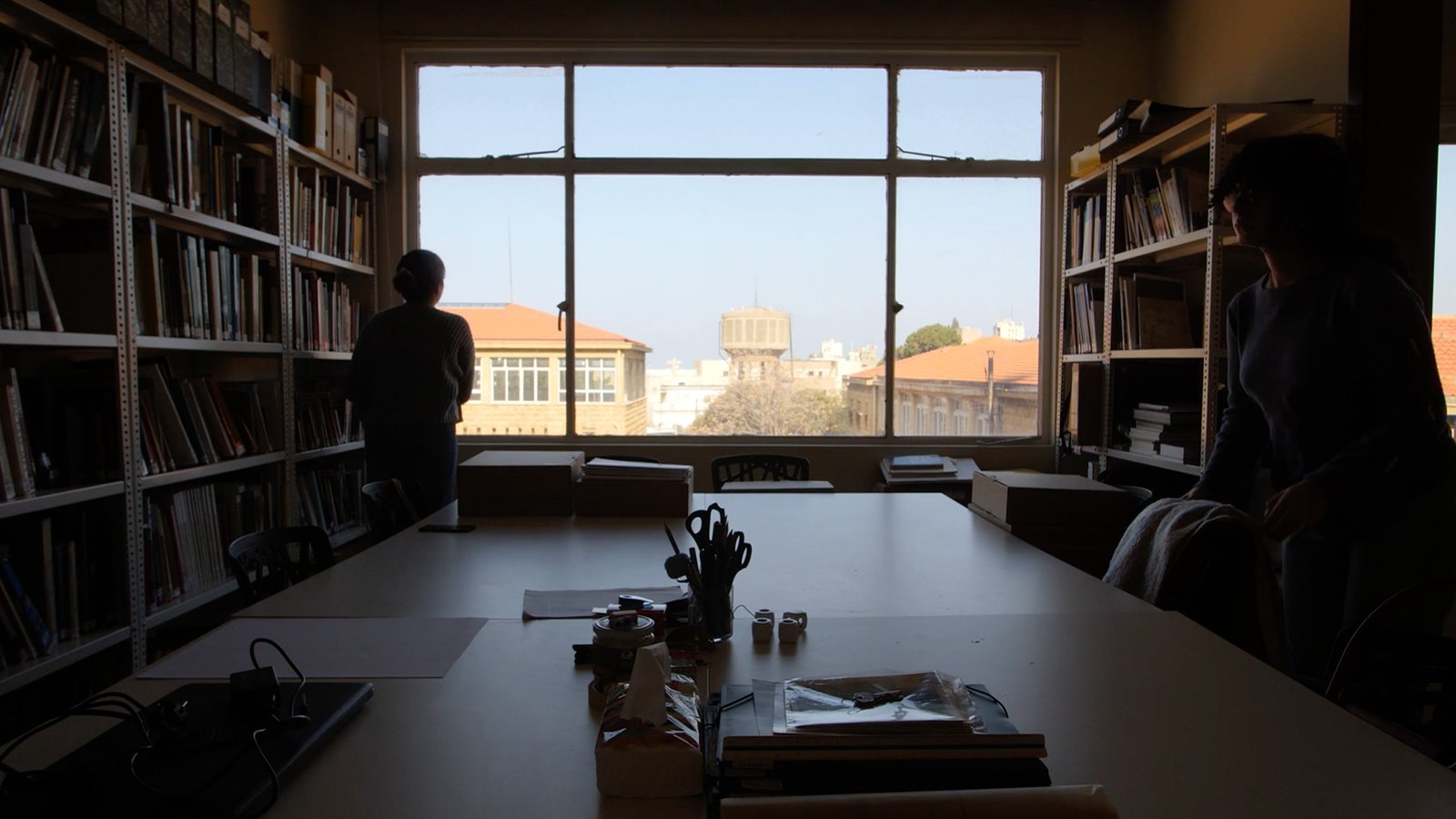
The Arab Center for Architecture (ACA) in Beirut is a non-governmental association created in 2008 dedicated to the preservation of modern architecture and its archives. It also acts as a platform for debate on architecture and the built environment and holds a specialized library open to the public and an online database on modern architecture in the Arab World.
The Rare Books and Special Collections at the American University in Cairo (AUC) documents the architectural heritage of modern Egypt and the Middle East through the work of its Regional Architecture Collections (RAC) unit. The RAC holds plans, drawings, photographs and other material from 20th-century leading architects such as Hassan Fathy, Ramses Wissa Wassef, Sayed Karim, Gamal Bakry among others.
Archives du Maroc in Rabat is a public national institution that recently started to accept donations of architectural archives, rightly acknowledging the publicness of architecture and its documentation. In addition to the collection of Patrice de Mazières covering his work with Abdeslam Faraoui, the institution holds the archives of architects Jacqueline Alluchon and Abderrahim Sijelmassi.
The Unbuilt Aarab World
Along with preserving the personal and collective memory covering the built environment, and telling us about the circumstances that accompanied and produced the built form, architecture archives are also a repository of buildings, neighborhoods and cities that never saw the light. This exhibition is an opportunity to speak about aborted projects and bring them to life. Whether abandoned due to political changes, mismanagement, economic reasons or personal vagaries, unbuilt designs tell us about what could have been. Five projects are re-presented here in drawings and physical models. At a time when three-dimensional representation is almost reduced to digital renderings and animations, visitors are invited here to a sensorial journey in which the appreciation of a sketch, a detailed drawing or a photograph is enhanced with an experiential interaction with a physical model built at a relevant scale.
The Documentaries
Three documentaries were commissioned for the occasion as an integral part of the exhibition. Filmed on site in Beirut, Cairo, Rabat and Casablanca, they invite the viewer to participate in a journey back and forth between archival material and actual visits to relevant buildings to examine their current condition.
The Future
The exhibition is the start of a long-term vision that will unfold in a variety of research projects, including a database locating archival material on architecture in the Arab world that will cover public and private institutions both in the Arab world and beyond. It is hoped that the gathering and dissemination of such research will open up more areas of investigation for scholars and attract more public interest.
Read the press release here.