Co-Design Workshop II: Progress Presentation and Discussion + Children's Dot Voting Activity
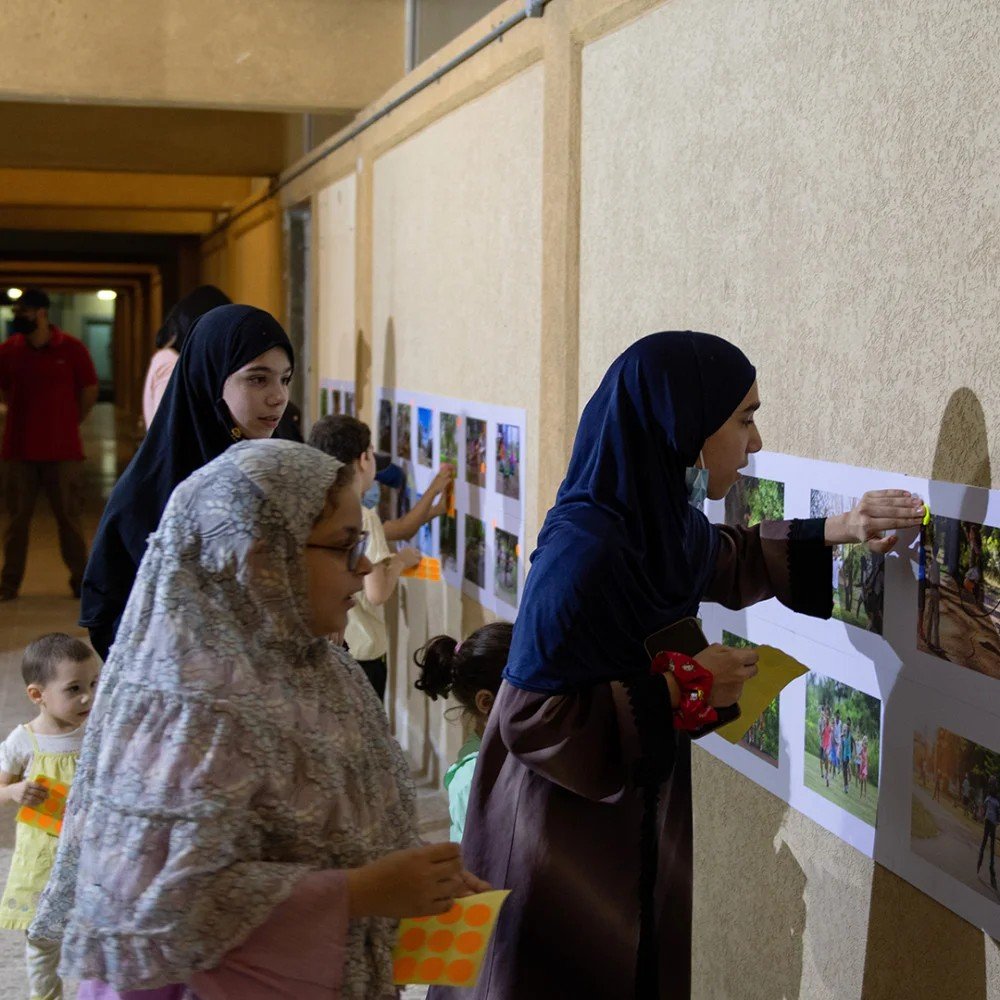
Children’s workshop: Dot Voting Activity
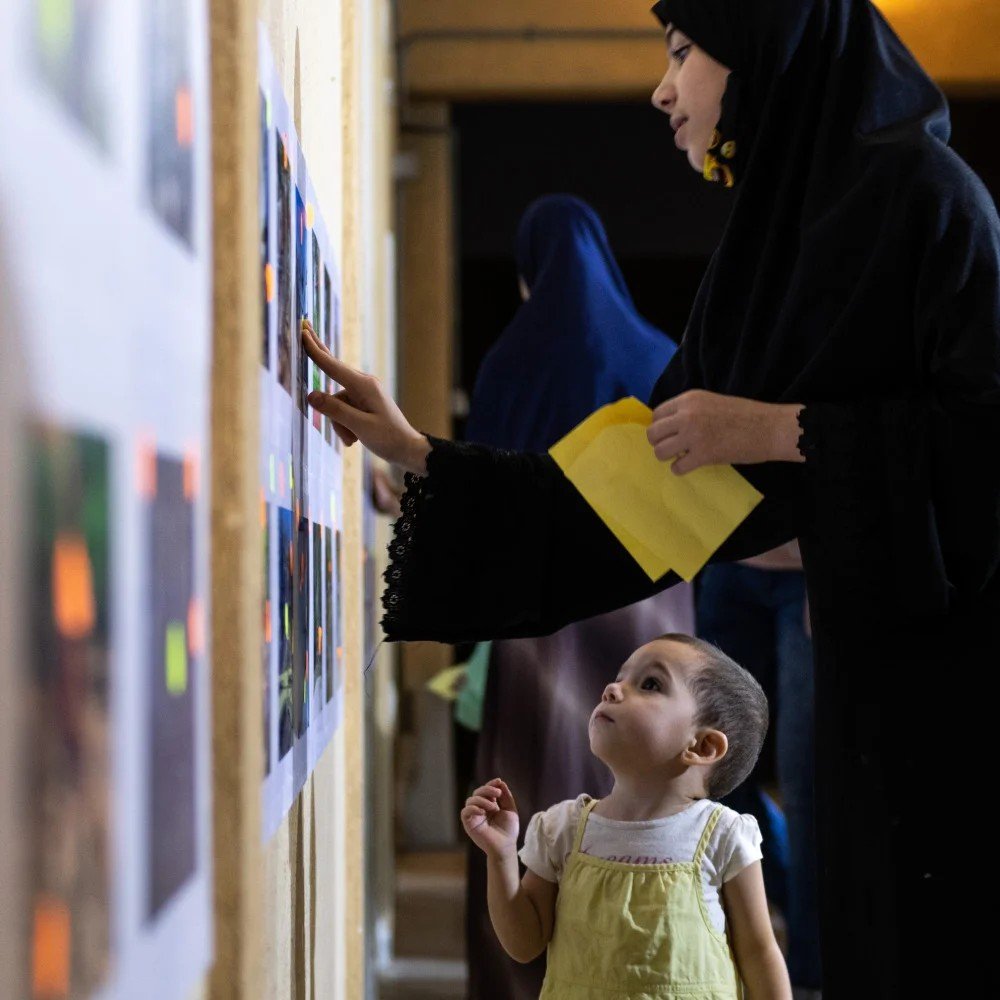
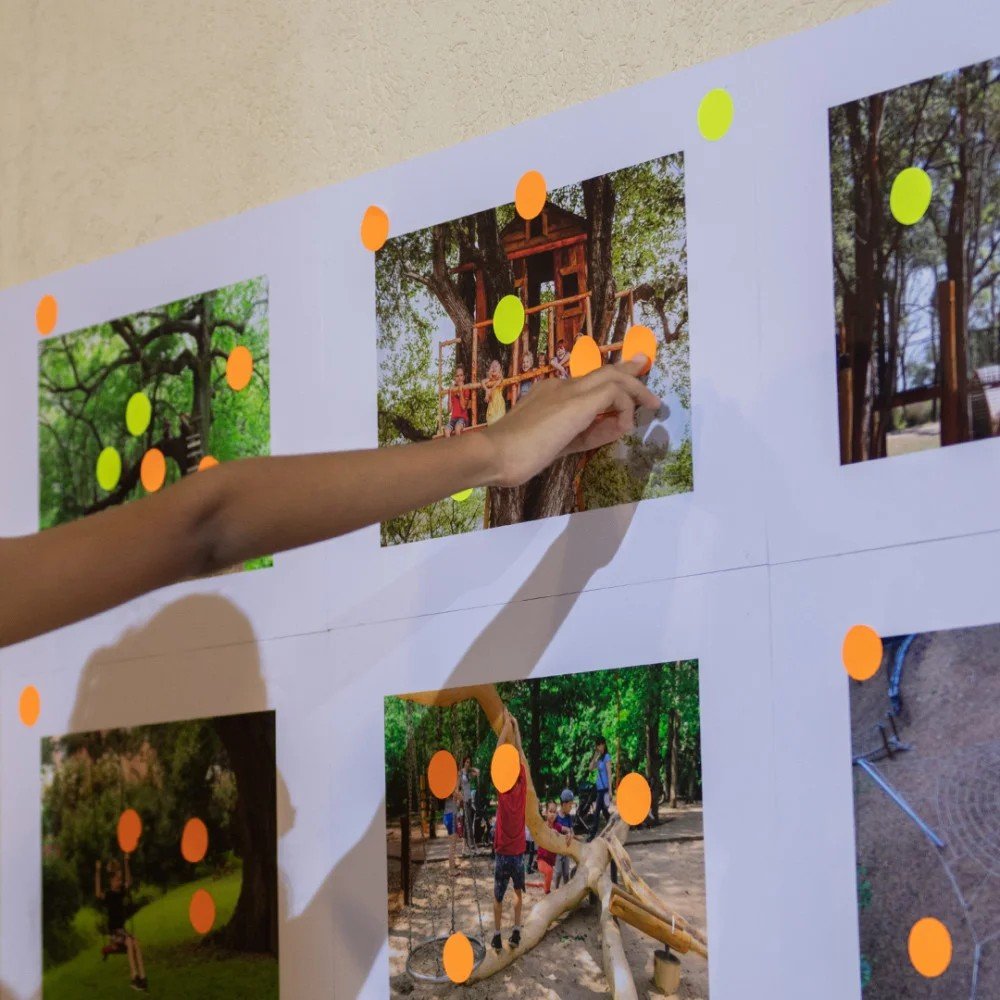
Building on earlier efforts to include young members of the local community in designing the urban park, this dot voting activity for children encouraged participants to pick and choose their favourite plays and playground types. The activity was prefaced with a brief discussion with the children regarding their current outdoor play activities and habits and why they choose to play at all. The children were then presented with multiple visuals representing categories such as nature play, sports, and street playgrounds to choose from. The participants, divided into two distinct age groups, awarded a coloured sticker to every image they wished to be included in the design of the park. This simple graphic exercise captured the children’s aspirations for the play areas in the park and offered valuable insight into age-based preferences for playground activities.
Adults Workshop: Progress Presentation and Discussion
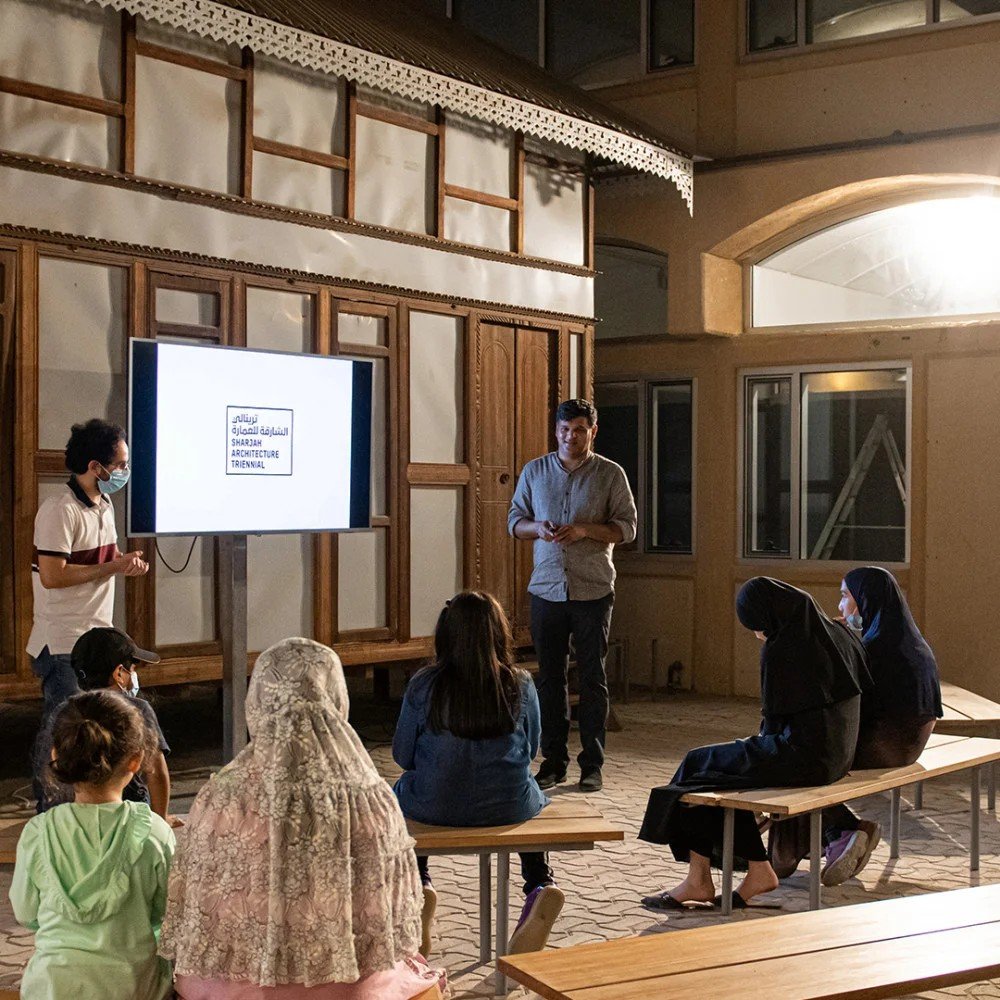
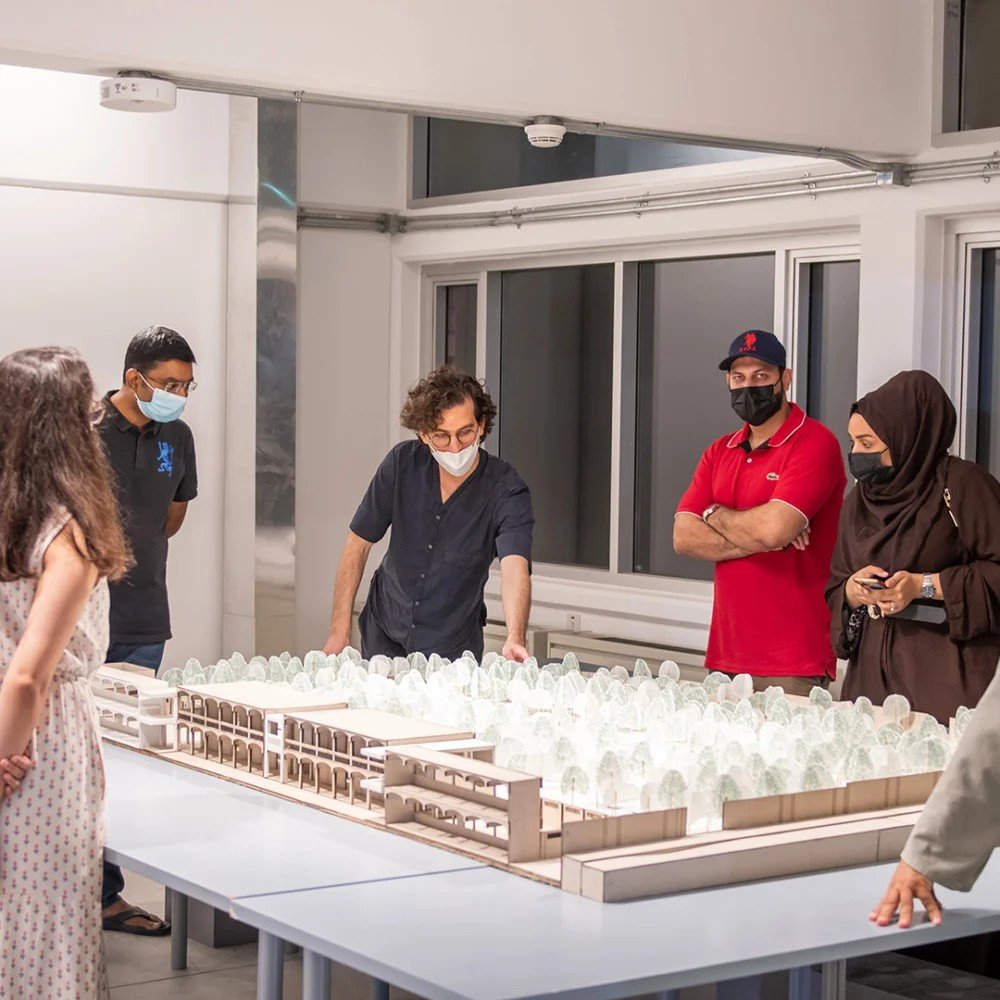
Building on the input gathered from community members during the previous co-design workshop, the Triennial invited participants to reconvene and discuss the design proposal for the urban garden. This proposal drew on the design kit collages previously created by community members to help define programmatic functions and preferences. Incorporating community input on spatial organization and the use of locally available flora, the Triennial presented a composite scheme of the community’s requests and ideas along with the institution’s aspirations for the urban garden as a socially and environmentally sustainable public space on the scale of the neighbourhood.
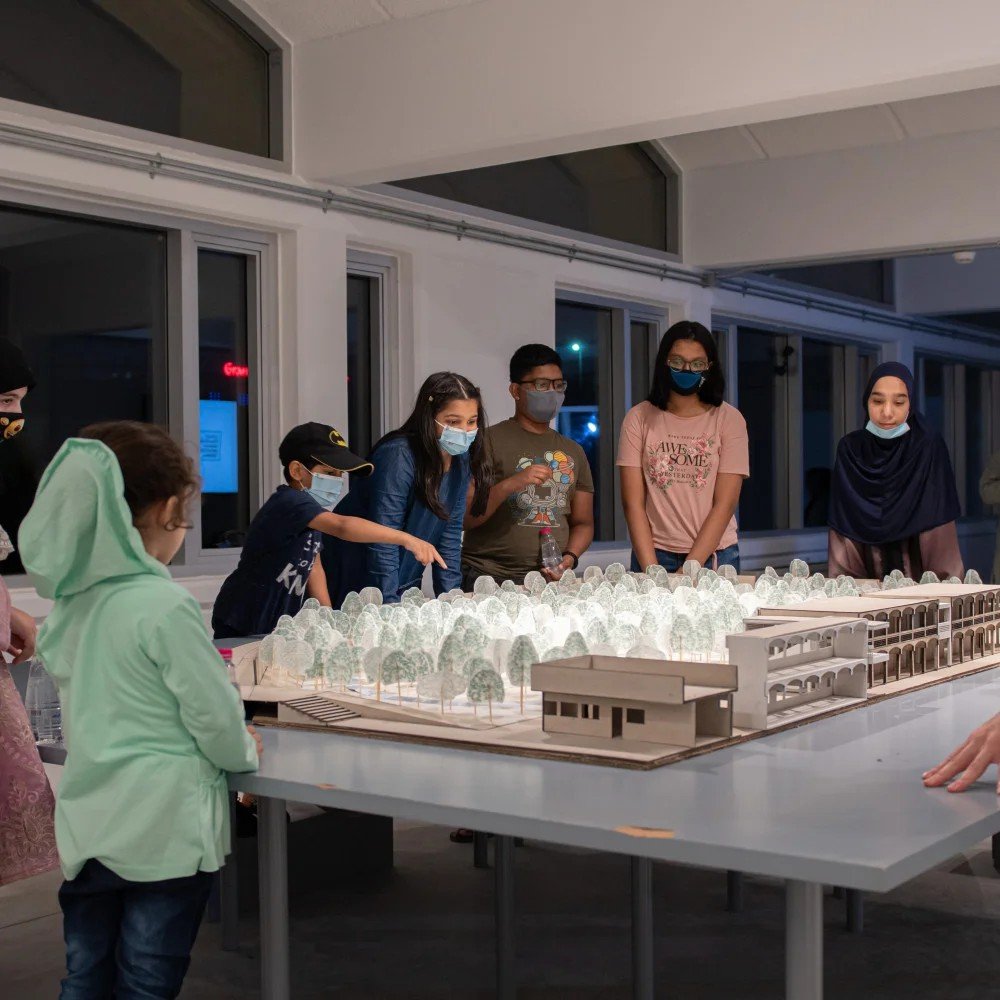
This was communicated through a physical model of the site along with rendered visuals of the proposal to convey size, scale, and density of vegetation as well as the spatial organization to the participants. The physical model served as a tool to provide scale and context while discussing community members’ comments and questions regarding the proposed scheme. Fragments of these conversations were also formally recorded through a survey as a chance for participants to summarize their overall reactions to the proposal.