Neoliberal spatial transformation and the lessons of Hyderabad
Living Continuity is a collective inquiry on the challenges and opportunities of working towards spatially just neighbourhoods. Session V looks critically inwards to explore work that challenges the current frontiers of architecture and urbanism. How can praxis enable critical engagement, and what does it reveal around current issues of access, exclusion, precarity and participation in neighborhood planning? Arshiya Syed explores the impact of the neoliberal turn in the Indian economy on urban development since the late 1990s. She focuses on the city of Hyderabad to show how neoliberalism has led to a privileging of profit-driven mega projects, including infrastructure and tourism developments.
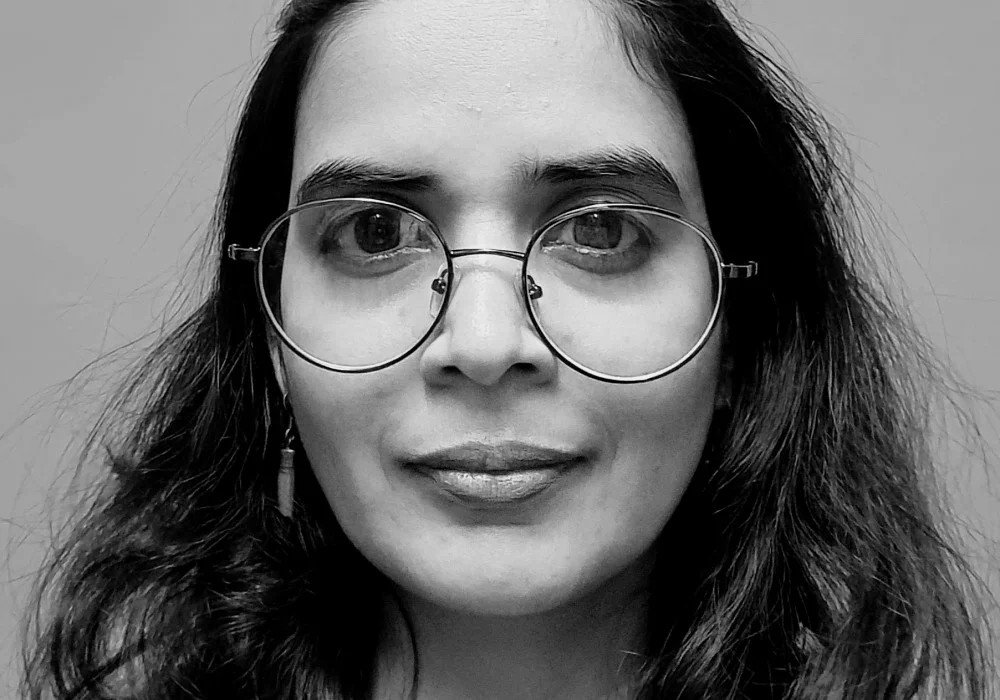
Arshiya Syed is the founder of Studio Maqam, an architecture and urban design firm in Hyderabad, India. She holds a Masters degree in Urban Design from the School of Planning and Architecture, New Delhi, and was also an Urban Fellow with the Indian Institute of Human Settlements, Bangalore. Arshiya has a decade of experience in architecture and urban design practice, and is a visiting faculty member, teaching urban design and housing studios in several architecture schools. Her research interests lie in affordable housing, public space design, and the historical development of cities. She is currently writing a book on the experience and architecture of the Hajj in the city of Mecca.